
Skip to content

Corporate Sustainability Due Diligence Directive

Sedex Collage CSDDD

The Corporate Sustainability Due Diligence Directive (CSDDD) is a key EU law. It requires companies to find, fix, and report on human rights and environmental problems within their business and supply chains.

This directive changes how companies manage sustainability risks. It sets clear rules for due diligence in the supply chain. The regulation will impact many companies inside and outside the EU, along with their global business partners.
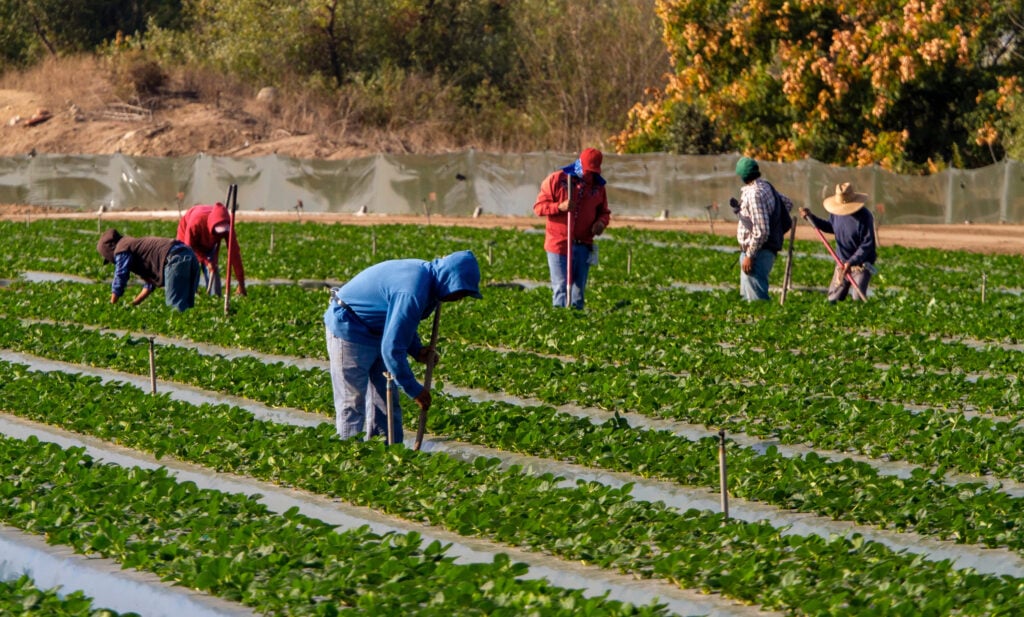

Why was CSDDD created?

The EU introduced CSDDD because voluntary actions by companies were not enough to stop serious human rights and environmental issues in global supply chains. CSDDD works alongside other EU rules, including the Corporate Sustainability Reporting Directive (CSRD) and the EU Forced Labour Regulation. It is part of a worldwide move toward mandatory due diligence.

The main goals of CSDDD are to:

  • Hold companies accountable for their human rights and environmental footprint. 
  • Create fair and consistent rules for businesses across the EU.
  • Make supply chain checks more transparent and uniform.
  • Align business actions with global standards, like the UN Guiding Principles on Business and Human Rights.

Who does CSDDD apply to?

What are the main requirements under CSDDD?

Companies subject to CSDDD must establish and maintain a comprehensive due diligence framework. Key requirements include:

Identify and assess adverse impacts

Companies must identify actual and potential human right or environment impacts on operations, subsidiaries, upstream and limited downstream suppliers

Prevent and mitigate risks

Where risks are identified, companies must take measures to prevent/mitigate potential adverse impacts, including engaging with suppliers and business partners

Remediate harm

If adverse impacts occur, companies are required to provide remediation where appropriate via grievance mechanisms

Monitor effectiveness

Due diligence processes must be regularly reviewed to assess their effectiveness and updated as risks evolve and change

Public communication

Companies must communicate publicly about their due diligence policies and actions, ensuring transparency and accountability

Integrate in policies

Companies must embed due diligence into corporate policies, risks management and decision-making with stakeholder input

What does CSDDD mean for supply chains?

CSDDD puts a heavy focus on supply chain due diligence because many risks happen outside a company’s direct control.

Companies will need to:

  • Map their supply chains and know who their business partners are
  • Identify and focus on high-risk suppliers and locations.
  • Collect and review sustainability data from their partners
  • Engage suppliers to make improvements
  • Track supplier performance over time

This significantly increases the importance of supplier transparency, data quality, and collaboration across global supply networks.

How does CSDDD affect procurement teams?

Procurement teams are essential for meeting CSDDD rules. They will work with sustainability and legal teams to:

  • Include sustainability risk in buying decisions
  • Communicate with suppliers about human rights and environmental standards
  • Help suppliers improve their practices
  • Keep records to prove due diligence has been done

How does CSDDD affect sustainability teams?

For sustainability teams, CSDDD makes many of their existing jobs official and expands their duties.

Key impacts include:

  • A stronger focus on assessing human rights and environmental risks.
  • A greater need for consistent, auditable data from the supply chain.
  • The need to align CSDDD actions with other reports, like CSRD.
  • Ongoing monitoring of performance and progress.

Sustainability teams are often responsible for coordinating due diligence efforts across the organisation and ensuring compliance with regulatory expectations.

When does CSDDD come into force?

The CSDDD is set to fully come into force in 2029. This date is the final deadline for companies in scope to be compliant. The time until then is a transition period for businesses to get their systems ready. It is best to start preparing long before the deadline.

How can companies prepare for CSDDD now?

Organisations can take practical steps now to prepare for CSDDD:

  • Assess existing due diligence and supplier risk processes
  • Map supply chains and identify high-risk areas
  • Align policies with international due diligence standards
  • Improve data collection and supplier engagement
  • Ensure cross-functional collaboration between procurement, sustainability, and compliance teams

Early preparation can reduce compliance risk and support more resilient, responsible supply chains.

Frequently asked questions about CSDDD

Ready to take the next step?

Start your CSDDD compliance journey now!