Skip to content

From risk to resilience.

Risk is already inside your supply chain. Resilience is a decision.

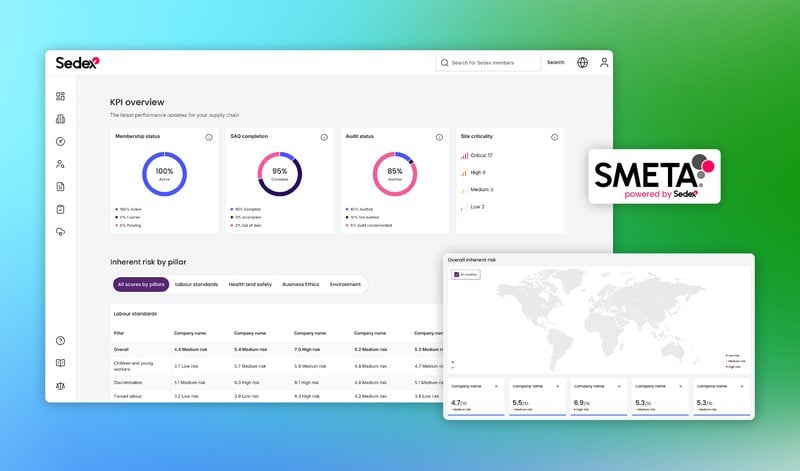
Access the frameworks, data, and tools supply chain leaders are using to build multi-tier visibility and due diligence programs that withstand global disruption.

Guide

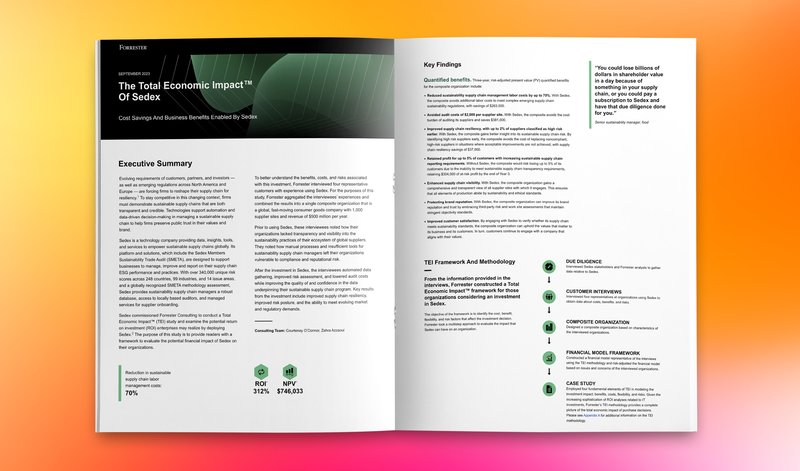
Building supply chain resilience through sustainability risk mitigation

Guide

The EU corporate sustainability due diligence directive (CSDDD)

Enter your details below to receive your PDF download.

Submit
Logo Sureway Bags Logo Sureway Bags

Two imperatives. One framework.

Supply Chain Visibility

You can't manage supply chain risk if you can't see it.

43%

of corporations have no supply chain visibility beyond their tier 1 suppliers (KPMG)

  • Only 2% of companies have visibility into their Tier 2 and 3 suppliers
  • Two different studies, the same conclusion: most organizations are managing supply chain risk with a fraction of the picture.
  • How much of your supply chain can you actually see?

Explore the resources ›
Supply Chain Due Diligence

Know who you're really doing business with – at every tier.

15%

of sites don't have systems to ensure their suppliers meet labour standards (Sedex SAQ Findings)

  • More than half of companies faced a significant supply chain disruption last year
  • 8.5% of EU companies have child or forced labor risk in their first tier alone.
  • If the exposure is that significant across Tier 1, what's happening beyond it?
Explore the resources ›

Download resource

Enter your details below to access this resource.

Submit

The regulatory landscape

Key responsible sourcing legislation

Regulatory pressure on supply chains is no longer confined to a single jurisdiction or issue area. From human rights and forced labour to carbon reporting and deforestation, the compliance landscape now spans multiple continents, overlapping frameworks, and accelerating enforcement timelines.

Access resources to cut through the complexity of major regulatory requirements.

CSDDD

The CSDDD is the EU’s most sweeping supply chain accountability law, requiring large companies to identify, prevent, mitigate, and account for adverse human rights and environmental impacts across their full value chain, including through indirect business partners.

Compliance isn’t just a legal exercise: most organizations will need to fundamentally reassess how supplier data is collected, verified, and reported.

Learn more about the CSDDD's requirements here.

CSRD

Where the CSDDD requires companies to act on supply chain risks, the CSRD requires them to report on those actions. In practice, the two directives are deeply intertwined: companies subject to both must describe how their due diligence processes work as part of their CSRD sustainability statement.

This means supply chain visibility is more than just an operational tool – it’s a disclosure asset. The audit data behind it needs to be traceable, verifiable, and reportable.

Explore our CSRD Resources.

UFLPA

The Uyghur Forced Labor Prevention Act (UFLPA) creates a rebuttable presumption that any goods mined, produced, or manufactured wholly or in part in China’s Xinjiang region are made with forced labour. The burden of proof sits entirely with the importer.

Without documented, traceable supply chain data, goods can be detained indefinitely at the US border, and importers face no clear path to release without verified evidence of clean sourcing.

Explore our resources here.

LkSG

Germany’s Supply Chain Due Diligence Act created binding obligations for large German companies, but its practical reach extends to thousands of non-German suppliers who must meet those same standards to retain access to German buyers.

Annual reporting requirements are being wound down ahead of CSDDD alignment, but due diligence obligations and enforcement remain active.

Learn more here.

Download resource

Enter your details below to access this resource.

Submit

Download resource

Enter your details below to access this resource.

Submit

“The benefits Sedex brings to us are being able to have external third-party validation in terms of understanding our supply chain and being able to make measurable goals within that. And to track and improve upon our processes.”

Read the story ›

“Sedex gives us the tools to understand and act on supply chain risk at a scale we could not achieve on our own.”

Read the story ›

“Working with Sedex has helped us move from reactive to proactive risk management across our entire supplier base.”

Read the story ›

“The Sedex platform enables us to engage meaningfully with thousands of suppliers and drive consistent improvement across our supply chain.”

Download resource

Enter your details below to access this resource.
Submit

Download resource

Enter your details below to access this resource.

Submit