How to Get Supply Chain Visibility Beyond Tier 1

Tomas Novotny
Solutions Expert
19 Feb 2026
About 6 mins
Supply chain visibility remains one of the most persistent challenges for procurement and sustainability leaders. While many organisations have a clear view of their tier 1 suppliers, the reality is that the majority of supply chain risk sits further upstream — with tier 2, tier 3, and even tier 4 suppliers.
From forced labour and environmental harm to disruption caused by geopolitical events or climate impacts, limited visibility beyond tier 1 leaves businesses exposed. As regulations tighten and expectations around transparency increase, gaining supply chain visibility beyond tier 1 is no longer optional — it’s a business necessity.
This article explains what supply chain visibility beyond tier 1 really means, why it’s so difficult to achieve, and the practical steps organisations can take to build deeper, more resilient transparency across their supply chains.
What is supply chain visibility beyond Tier 1?
Supply chain visibility beyond tier 1 refers to an organisation’s ability to understand and monitor the suppliers that sit behind their direct suppliers — including tier 2, tier 3, and further upstream entities involved in producing goods or services.
- Tier 1 suppliers: Companies you buy directly from
- Tier 2 suppliers: Suppliers to your tier 1 suppliers
- Tier 3 suppliers: Suppliers further upstream, often providing raw materials or basic processing
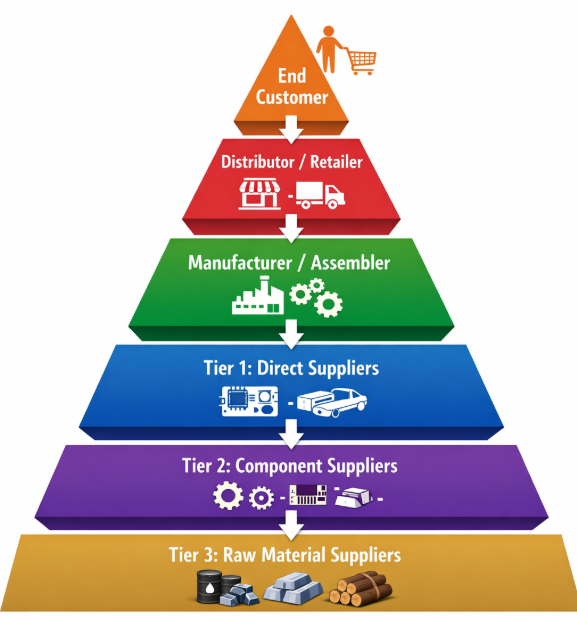
While tier 1 suppliers are typically well known and contractually managed, risks such as forced labour, unsafe working conditions, deforestation, and environmental degradation are more likely to occur deeper in the supply chain — where oversight is weakest.
In simple terms, visibility beyond tier 1 means knowing who is involved, where they are located, and what risks may exist, even when you don’t have a direct commercial relationship with them.
“Only 15% of CPOs report having visibility beyond tier-one suppliers, while as much as 85% of supply chain risk may be hidden in sub-tiers. ”
Why visibility beyond Tier 1 is so difficult
Despite growing awareness, most organisations still struggle to move past tier 1 visibility. Several structural barriers stand in the way.
Supplier reluctance and trust barriers
Sub-tier suppliers are often hesitant to share information. Common concerns include:
- Fear of exposing proprietary or competitive information
- Worry that buyers may bypass existing relationships
- Long-standing reliance on opacity as a form of protection
Without trust and safeguards, suppliers may resist transparency initiatives.
Lack of direct relationships
Most companies have no contractual leverage beyond tier 1. Requests for information must flow through intermediaries, which can slow progress and reduce data quality.
Fragmented and outdated data
Supplier data is frequently:
- Spread across multiple systems and departments
- Collected manually via spreadsheets and email
- Quickly outdated as suppliers, locations, and risks change
As a result, visibility efforts often produce static snapshots rather than meaningful, ongoing insight.
Why supply chain visibility beyond Tier 1 is now a business requirement
What was once considered “nice to have” has become essential.
Managing supply chain risk and resilience
Limited visibility makes it difficult to identify:
- Single points of failure
- Exposure to geopolitical tension or climate disruption
- Labour disputes or factory shutdowns
Organisations with deeper visibility can spot risks earlier and respond faster.
Supporting human rights due diligence
Human rights risks — including forced labour, child labour, and unsafe working conditions — are far more likely to occur upstream. Effective human rights due diligence depends on understanding where these risks exist and engaging suppliers beyond tier 1.
Meeting environmental and climate expectations
Environmental impacts such as deforestation, water stress, and pollution often sit with sub-tier suppliers. Visibility beyond tier 1 is critical for:
- Scope 3 emissions reporting
- Sustainability disclosures and targets
Responding to regulatory and investor pressure
Regulations such as human rights due diligence laws, modern slavery legislation, and emerging EU requirements are increasing expectations around supply chain transparency. Investors and customers are also demanding stronger evidence of ethical and responsible sourcing.
How to achieve supply chain visibility beyond Tier 1
While the challenge is significant, progress is achievable with the right approach.
Start with Tier 1 — but design for Multi-Tier visibility
Tier 1 suppliers play a critical role as gateways to deeper tiers. Rather than treating transparency as a compliance exercise, organisations should:
- Position tier 1 suppliers as partners in visibility
- Communicate shared benefits, such as risk reduction and resilience
- Use clear data-sharing agreements to build confidence
Trust and collaboration are essential foundations for multi-tier transparency.
Map your supply chain beyond direct suppliers
Supply chain mapping helps organisations:
- Visualise supplier networks across tiers
- Identify high-risk regions, materials, and processes
- Prioritise areas where visibility matters most
Rather than aiming for complete visibility everywhere, many organisations start by mapping critical products, geographies, or supplier categories.
Move from manual requests to scalable data collection
Manual data collection does not scale across complex supply chains. Technology-enabled approaches support:
- Centralised data management
- Continuous updates rather than one-off assessments
- Better data consistency and comparability
Automation enables teams to focus on insight and action, rather than chasing information.
Prioritise risk-based visibility
Full transparency across all tiers is rarely realistic at the outset. A risk-based approach allows organisations to:
- Focus on suppliers and regions with the highest human rights or environmental risk
- Allocate resources where they have the greatest impact
- Expand visibility over time as capability matures
How Sedex helps enable visibility beyond Tier 1
One of the biggest barriers to visibility beyond tier 1 is the lack of direct relationships with sub-tier suppliers. The Sedex platform helps address this challenge through a network-based approach to supply chain transparency.
Suppliers can connect directly with their customers, and tier 1 suppliers can invite their own suppliers to share data securely. This enables visibility to extend beyond direct relationships without undermining trust or commercial boundaries.
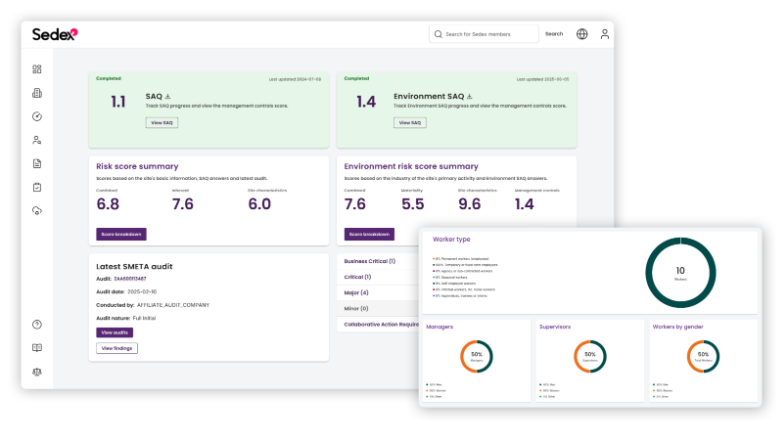
By supporting multi-tier data sharing and collaboration, Sedex helps organisations:
- Gain insight into upstream human rights and environmental risks
- Move from static assessments to ongoing monitoring
- Support human rights and environmental due diligence across complex supply chains
Rather than relying solely on audits, this approach encourages continuous improvement and shared responsibility across all tiers.
What good supply chain visibility beyond Tier 1 looks like
Organisations with mature multi-tier visibility typically have:
- A clear understanding of their upstream supplier networks
- Regularly updated data on key risks and locations
- Strong engagement with suppliers at multiple tiers
- Visibility embedded into procurement, sustainability, and risk management processes
Most importantly, visibility is used to drive action — not just reporting.
Building transparency where it matters most
Supply chain visibility beyond tier 1 is no longer just a regulatory requirement — it’s a core component of resilient, responsible business. By combining collaboration, risk-based prioritisation, and scalable data-sharing approaches, organisations can move beyond surface-level transparency and focus on the areas that matter most.
As expectations around human rights and environmental responsibility continue to grow, deeper visibility across supply chains will be essential for managing risk, building trust, and driving long-term value.