The 2025 Sedex Supply Chain Awards have been announced
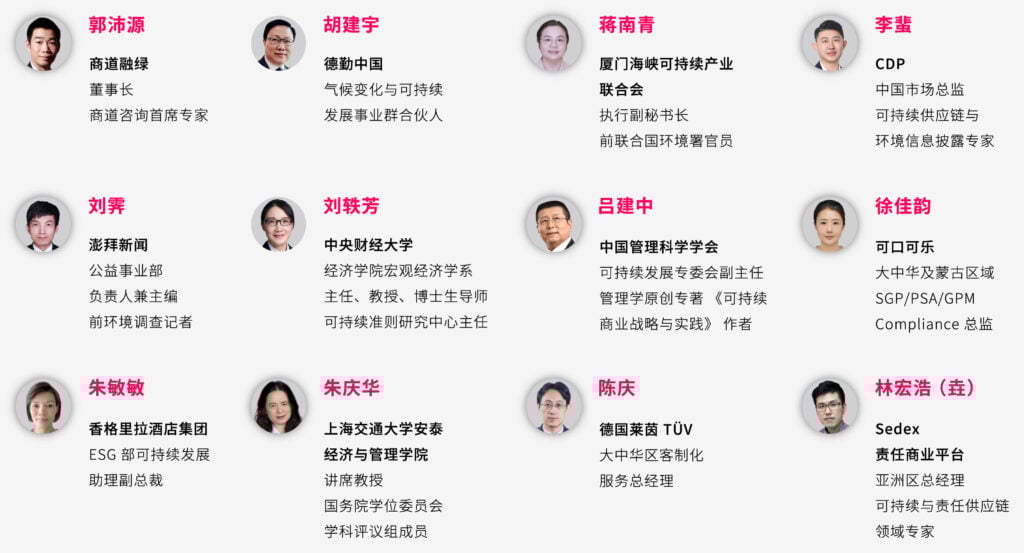
More than 300 days, 200+ application forms, 12 judges, 3 rounds of selection, 9 categories of awards, and finally decided the long-awaited winning companies/individuals (about 35% of the nomination awards and about 15% of the final awards).
On 20 August, the 2025 Sedex Mid-Year Conference and 2025 Sedex Supply Chain Awards Ceremony was successfully held at the Hyatt Regency Shanghai Global Harbour, where more than 800 offline and online participants witnessed the announcement of the 2025 Sedex Supply Chain Awards.
Let us congratulate the following companies/institutions/individuals on receiving the award
Sedex Supply Chain Awards 2025!
Supply Chain ESG Excellence Award
Reason for the award Hop Lun's ESG strategy revolves around three pillars: environmental carbon reduction, social responsibility, and governance transparency, and is closely linked to the United Nations' 17 Sustainable Development Goals (SDGs). Guided by governance and data-driven, Hop Lun has demonstrated systemic transformation and verifiable results in the field of supply chain ESG, especially in deepening the sustainable transformation of China's supply chain. Hop Lun has made ESG performance transparency of Chinese suppliers through a digital platform, implemented a circular economy in the environmental field to reduce resource consumption, and strengthened labor rights training in the social dimension to improve compliance rates. At the same time, the governance model of "high-level direct management, headquarters coordination, and regional flexibility" is adopted to ensure that supply chain due diligence management not only meets global standards, but also adapts to local needs, and the leadership is deeply involved in the whole process through institutionalized meetings and dynamic feedback mechanisms. In the co-construction of stakeholders, we can cooperate with relevant parties in the characteristics of their industries to achieve sustainable and responsible management of the supply chain. In the work to promote supplier participation, the company has included strategic suppliers in SMETA audits by granting priority order rights to high-performing suppliers, including supply chain decarbonization in ESG loan terms, and promoting the social and environmental aspects of the supply chain from Tier 1 suppliers to Tier 2 suppliers and above. The textile industry has an irreplaceable role as a traditional industry, especially the supply chain, due to its important role in climate mitigation and waste reduction. As an important chain master in the industry, Hop Lun has set an example for the textile industry with an excellent approach to supply chain due diligence. Company introduction Founded in 1992, Hop Lun is a leading global lingerie and swimwear manufacturer with 13 wholly-owned factories (China, Bangladesh, Indonesia) and more than 30,000 employees. In 2024, the revenue will be $548 million, and the annual output will be 164 million products. It set a science-based carbon target (SBTi) in 2023 and was awarded the first private equity-backed sustainability-linked loan (SLL) in Hong Kong. With a mission of 'Crafting Fashion, Empowering Lives', they drive supply chain sustainability through science-based decarbonization (SBTi), empowerment of women (70% female executives), and digital 3D design (30% reduction in sample waste). Joined initiatives such as UNGC and ZDHC, and won many awards such as HR Asia's 'Best Employer'.
Reason for the award UPM has a complete management mechanism and system in the field of supply chain ESG, which is mature and leading, and provides an excellent example for the management of supply chain ESG issues in the industry and global enterprises. UPM's supply chain stewardship strategy is data-driven and hierarchical, embedding environmental (climate, biodiversity), social (labor, safety), and governance (ethics, compliance) requirements into the value chain through quantitative targets. This not only directly contributes to UPM's focused SDGs (such as SDG12/13/15) but also provides systematic support for the overall ESG strategy through risk avoidance, efficiency improvement, and reputation strengthening, ensuring a coherent sustainable transformation from its own operations to the global value chain. At the same time, UPM's participation in supply chain upgrade decisions at the board level reflects the great importance that the board attaches to supply chain dimension issues. In addition, the communication and engagement strategies of stakeholders in the supply chain dimension are provided with very detailed statements and evidence. In the environmental and social field, both global actions and targets are mentioned, as well as localized innovations and action plans, reflecting global management and fully considering local implementation practices. The judges believed that as a large international enterprise, UPM fully reflects its leading role in the construction of sustainable and responsible supply chains, not only setting high standards for industry enterprises, but also actively promoting the ESG improvement of its global supply chain partners. Company Description As a materials solutions company, UPM Group transforms products and the entire value chain through a broad portfolio of renewable fibers, advanced materials, decarbonization solutions and media paper. UPM's sustainability performance has been recognized by several third-party bodies, including EcoVadis and the Dow Jones Sustainability Index. We have a global presence, employing around 15,800 people around the world and generating annual sales of approximately €10.3 billion. The Group's shares are listed on the Helsinki Stock Exchange. UPM Specialty Paper is one of the UPM divisions, UPM Inovance (China) Co., Ltd., a wholly-owned subsidiary of UPM Specialty Paper and Paper in China, with a modern large-scale cultural paper mill in Changshu, Jiangsu Province, as well as an Asian R&D center with a total investment of more than US$2 billion. Changshu Paper Mill is Finland's largest single investment project in China, and it is also one of the largest manufacturers of all-chemical wood pulp offset paper and copy paper in China, including office paper, printing paper, specialty paper, etc., and the main raw material pulp used in papermaking is all from sustainably managed forests.
Reason for the award The judges agreed that McDonald's China has a very comprehensive sustainability plan, focusing on four areas: food, planet, people and community. At the same time, McDonald's China is committed to building a standardized, stable, resilient and sustainable operation excellence system for the whole value chain, and the supply chain due diligence management is progressive from compliance operation to leading sustainability, and the key work includes but is not limited to: Business ethics: Through the Supplier Code of Conduct, direct suppliers and their factories are required to abide by business ethics; Food quality and safety: McDonald's self-built food safety quality system (SQMS) integrates the Global Food Safety Initiative (GFSI) international benchmarks and strict internal control standards; Labor rights and working environment: Formulate and implement the "Supplier Operating Environment Standards" based on international consensus…… At the same time, McDonald's China has joined hands with four core suppliers to establish the McDonald's China Supply Chain (Hubei) Smart Industrial Park to promote upstream and downstream collaboration to build a green, efficient and intelligent supply chain system and achieve low-carbon transformation. In terms of social issues, the Supply Chain Academy has been established to help suppliers in the supply chain to carry out overall and systematic empowerment and training, including training regenerative agriculture knowledge and practice for upstream potato farmers, bringing more social influence. Company Description McDonald's is a globally recognized foodservice brand with over 40,000 restaurants worldwide. Each McDonald's restaurant is grounded in the local community, providing delicious taste and cohesion for the community neighborhood. McDonald's entered the Chinese mainland market in 1990. Currently, China is the second largest and fastest-growing market for McDonald's restaurants in the world. Since 2017, CITIC has become a major shareholder of McDonald's China business, and McDonald's China has entered the era of "golden arches" that are more rooted in China. As of June 2024, there are more than 6,000 McDonald's restaurants nationwide, serving more than 1 billion customers and employing more than 200,000 people each year.
Driving Changes Award
Reason for the award Kingfisher is committed to being a leading home improvement company, empowering customers to create better homes and lives through innovative, sustainable, and affordable home improvement solutions, while creating positive value for society, employees, and the environment. It adheres to sustainable and ethical operations, builds an environmentally friendly supply chain, actively promotes low-carbon manufacturing plans, and practices its environmental and social responsibilities with practical actions. Kingfisher has a relatively complete supply chain management system, and it is worth mentioning the goal of reducing carbon emissions and promoting sustainable supply chain development through the World Wide Fund for Nature (WWF) Low Carbon Manufacturing Program (LCMP), which is now one of the evaluation criteria for Kingfisher's Sustainable Household Products (SHP) certification. Six major suppliers joined LCMP and successfully obtained the Sustainable Household Products (SHP) certification for their products, thereby achieving low-carbon production and manufacturing to gain more recognition. Not only that, Kingfisher has done a pragmatic and effective job in introducing stakeholder participation and communication and cooperation with supply chain ecological partners, which is worth learning from. Company introduction Kingfisher plc is a multinational retail company headquartered in London, UK. With more than 1,900 stores in eight European countries, its retail brands include B&Q, Castorama, Brico Dépôt, Screwfix, TradePoint, and Koçtaş, supported by a team of more than 76,000 employees. Kingfisher plc provides home improvement products and services to consumers and professional customers, covering both physical stores and e-commerce channels.
Reason for the award Lenovo takes technological innovation and ecological collaboration as the fulcrum to promote the supply chain from passive compliance to active value creation, and completes the leap from "improver" to "rule reshaper". As a benchmark for supply chain management in the global technology industry, it takes digitalization and ecological co-construction as the path in the field of non-productive procurement, integrates ESG concepts into the whole life cycle management of suppliers, and promotes the sustainable development of "technology + ecology + humanities" with "building platforms, incubating capabilities, and sharing value" as the core, transforming the supply chain from a "cost center" to a "social value creation center", breaking through the traditional model of the industry and achieving multi-party symbiosis. In terms of environment, in addition to risk management and identification of the whole chain, Lenovo links the purchase volume of green electricity to supply chain performance indicators; In terms of society, it will drive new jobs for people with disabilities in the supply chain; At the same time, it pioneered the payroll co-management account + blockchain certificate storage mechanism: suppliers need to put the salaries of outsourced employees into Lenovo's supervision account, automatically trigger the release through smart contracts (to prevent arrears), and use blockchain technology to upload real-time on-chain working hour data. These are very leading and innovative methods and models that are worth learning from the industry. As an internationally renowned Chinese company, Lenovo has established a positive influence on Chinese companies overseas by fulfilling and playing its role as a responsible enterprise in the global supply chain. Company Introduction As a leading global technology company, Lenovo Group was founded in 1984 in Beijing, China, with a wide range of business covering 180 markets, and occupies an important position in the global smart device field with diversified smart terminal devices such as computers, tablets, and smartphones, as well as innovative solutions and services. In the 2023/24 fiscal year, Lenovo will continue to promote intelligent transformation, deepen its layout in cutting-edge fields such as artificial intelligence, cloud computing, and big data, empower industry development with technology, and practice the corporate vision of "intelligence for every possibility". In Lenovo's large and efficient supply chain system, unproductive procurement occupies a key part. It refers to the procurement of materials and services to ensure the day-to-day operations of a company, covering a wide range of categories, including IT software and hardware, manufacturing equipment and consumables, labor, business travel meetings, administrative logistics, marketing, and many other categories. Non-productive procurement plays a central role in Lenovo's sustainable development and ESG practices, promoting the green transformation of enterprises and upgrading the entire supply chain through measures such as guiding green consumption and cultivating environmentally friendly suppliers, while actively fulfilling social responsibilities, strengthening compliance management, and continuing to make efforts to build a more resilient and responsible business ecosystem.
Reason for the award Yili is an excellent example of leading the industry's green and sustainable development. From the pioneering proposal of "green leadership" in 2007 to the "green industrial chain" strategy in 2009, from the commitment to achieve carbon neutrality in 2020 to the release of the first "dual carbon" goal and roadmap for China's food industry in 2022, Yi has used 18 years to work with value chain partners to jointly solve the problem of carbon reduction in the dairy industry. Yili has innovatively explored a new model of carbon reduction in the whole chain, starting from the two paths of water footprint and carbon footprint, and proposed a "double footprint" solution to overcome the industry problems of long dairy industry chain and difficult carbon reduction. In response to the needs of Scope 3 emission reduction, Yili has also promoted the construction of a comprehensive green industrial chain, worked with global strategic partners to reduce carbon, and jointly created the "Zero Carbon Alliance" with 120 global strategic partners, helping 88% of the Zero Carbon Alliance members achieve low-carbon transformation by building low-carbon pastures, building green transportation models, and creating sustainable supply chains. In terms of supply chain, Yili promotes the construction of a sustainable supply chain with three strategies: improving supply chain risk management and control capabilities through responsible procurement, supporting the transformation of small and medium-sized ranches to build a benchmark for sustainable agriculture, establishing a supplier empowerment mechanism and improving their management capabilities through professional counseling, and working with Sedex and other institutions to adopt international standards to manage important supply chain raw materials and achieve zero carbon. Demonstrate our leading role in the field of sustainable development in all aspects. Company Introduction Yili Group ranks among the top five dairy companies in the world, ranking first in Asia's dairy industry for 11 consecutive years, and is also the largest dairy company with the largest and most complete product categories in China. The best product quality, leading comprehensive service capabilities and comprehensive sustainable development capabilities have made Yili trusted and recognized by the world's top events and events, as well as governments at all levels and all sectors of society. From the 2008 Beijing Olympics to the 2019 Wuhan Military Games, the 2022 Beijing Winter Olympics, the 2023 Hangzhou Asian Games, from the 2010 Shanghai World Expo to the 2016 Hangzhou G20 Summit, Yili has made frequent appearances as the only dairy company to provide services. At the same time, Yili is also a partner of top summits such as the Boao Forum for Asia and the World Internet Conference. Yili Group is the largest, strongest and best performing enterprise in Inner Mongolia, and the only veritable international enterprise in Inner Mongolia that has achieved industrial layout in Asia, Europe, America and Oceania.
Reason for the award OATLY is a strong rising star in the plant-based food space, and its success is due to the company's relentless drive for change towards sustainable business. OATLY's three core values are nutrition and health, trust and transparency, and sustainability. Its supply chain stewardship strategy covers five areas: climate, nutrition, people, nature, and governance, driving the transformation of food systems towards sustainability, equity, and health through science-based targets, regenerative agriculture, energy transition, employee rights, and transparent governance. OATLY's project advocates the food industry to actively disclose the carbon footprint of products, through product packaging as a consumer touchpoint, to help the public judge and screen the basis for low-carbon products, and at the same time try to promote carbon labeling in the Chinese market, better integrate the "dual carbon" goal, become an important tool to connect consumer actions, corporate emission reduction and social sustainable development, and finally realize the systemic change from "high-carbon invisible" to "low-carbon visible". In addition, OATLY has partnered with relevant parties to explore new paths for sustainable oat dry farming in oat farming. The food system seeks to give back to nature and the communities where they source by reducing carbon, improving biodiversity, and increasing farmers' incomes . Company introduction OATLY is the world's leading and leading oat milk company. For more than 30 years, OATLY has been conducting thematic research on oats, continuously developing the advantages and inherent properties of oats, a global crop. The investment in oats has led to advances in core technology, which has allowed OATLY to broaden its portfolio with new options including oat milk, ice cream, yogurt, cream, spreads, on-the-go drinks, and more. OATLY is headquartered in Malmö, Sweden, and is available in more than 40 markets worldwide.
Environmental Contribution Award
Reason for the award JA Solar has always adhered to the corporate mission of "developing solar energy for the benefit of all mankind", and actively collaborated with upstream and downstream partners to build an ecological value system. JA Solar officially joined the Science Based Targets initiative (SBTi) in 2022 and passed the official SBTi verification in 2024. This provides an industry benchmark with measurability and scientific basis for the new energy industry to promote green and low-carbon transformation. In 2024, JA Solar has achieved a number of achievements in the environmental field: the proportion of granular silicon used in upstream procurement has increased from 10% to 40%, and mainstream products have achieved full-process carbon footprint traceability; Through the construction of distributed photovoltaic power stations and green power procurement, the annual proportion of green electricity use reached 34%; 12.27 million cubic meters of water resources were recycled and 338,800 tons of waste were recycled throughout the year. The Baotou base optimizes air energy heating, water source heat pump and argon gas recovery system, saving more than 4,700 tons of standard coal per year. Establish the "Photovoltaic Recycling Industry Development Cooperation Center" to promote module recycling in conjunction with PV CYCLE; and jointly released the world's first "Guidelines for the Construction of Zero-carbon Plants for Photovoltaic Enterprises" in conjunction with WWF, etc. JA Technology's sustainable practices have a strong replicable foundation and the potential to have a broader positive impact, which continues to amplify the positive impact on the green transformation of the industrial chain by empowering partners, building synergistic networks, and promoting standards. Company Profile JA Solar is a leading global provider of photovoltaic power generation solutions, founded in 2005. The birthplace of the enterprise is located in Ningjin County, Hebei Province, and the headquarters is in Beijing. Since 2010, JA Solar has developed from a single battery link to the upstream and downstream of the photovoltaic industry, and after nearly 20 years of hard work, it has built an industrial system that integrates the coordinated development of three major business groups: photovoltaic and energy storage, smart energy, materials and equipment. By the end of 2024, JA Solar will have a module production capacity of 100GW, with silicon wafer and cell production capacity reaching more than 80% and 70% of module production capacity, respectively. It has 16 overseas sales companies and has created a vertically integrated industrial chain of silicon wafers, cells, modules, and photovoltaic power stations. The company's product sales and service network covers 178 countries and regions around the world, and its module shipments have been among the best in the world for many years.
Reason for the award Covestro is committed to promoting sustainability in important sectors such as mobility, construction, and electrical and electronics through innovative products, processes and methods. With the vision of "achieving total circularity", the company integrates sustainability into its core business strategy and promotes innovation and development through digital transformation and circular economy. The goal is to lead the industry's transition to a circular economy and create long-term value while providing high-quality products. Covestro's sustainable development strategy revolves around the two cores of "circular economy" and "climate neutrality", and promotes the realization of four pillars: alternative raw materials: development and use of alternative fossil resources such as biomass materials and CO2; Innovative recycling: develop physical and chemical recycling technologies to improve material recycling; Renewable energy: increase the use of green energy and promote the decarbonization of production processes; Joint solutions: Collaborate with value chain partners to develop circular economy solutions. Covestro has worked with several partners to create a complete closed-loop recycling system for automotive plastics. This cross-international and cross-industry chain collaboration model ensures the feasibility and sustainability of the project, successfully developing PCR recycled polycarbonate materials with 50% recycled content, transforming end-of-life lamps into high-quality automotive-grade materials. Build a sustainable supply chain closed-loop business model of "recycler-material manufacturer-end user" with stakeholders. At the same time, establish a standardized supplier environmental assessment system and material traceability mechanism to achieve full quality control. Establish a reliable recycling logistics network and classification processing standards to ensure efficient coordination in all aspects of the supply chain. It provides a replicable solution for the sustainability of the automotive supply chain. Company Profile Covestro is one of the world's leading producers of high-quality polymers and their components. With innovative products, processes and methods, it helps promote sustainability and improve the quality of life in many areas. Covestro serves customers worldwide in important industries such as mobility, construction and living, and electrical and electronics. In addition, Covestro polymers are used in areas such as sports and leisure, telecommunications and healthcare, as well as in the chemical industry itself. Covestro is fully committed to the circular economy, with the goal of achieving net zero Scope 1 and Scope 2 emissions by 2035, net zero Scope 3 emissions by 2050, and ultimately climate neutrality.
Reason for the award Mengniu's sustainable development strategy is based on the vision of "protecting the common health of people and the planet", which is in line with the overall goal of the United Nations SDGs to achieve global sustainable development, improve the quality of human life, and protect the global environment. Mengniu has set a series of clear and forward-looking goals in the environmental field around the "GREEN Sustainable Development Strategy", and is committed to promoting the green transformation of the entire dairy industry chain, which is closely linked to the overall ESG strategy and jointly serves its sustainable development vision. Mengniu's ESG practices are significantly replicable in some areas, especially in green packaging, supply chain management, and carbon footprint certification across the entire industry chain. For example, Mengniu's "4R1D green packaging strategy" (reduce, recycle, reuse, renewable, and degradable) has formed a systematic framework, providing an actionable path for other companies by establishing a packaging material database, setting phased targets (such as a 40% recycling rate of paper-based composite packaging by 2025), and carrying out recycling activities (such as the "Dairy Packaging Plastic Reduction Regeneration Plan"). In its supply chain management, measures such as promoting "zero deforestation" soybean procurement and the use of FSC-certified base paper can be widely used by the food and beverage industry through standardized procurement agreements and third-party verification mechanisms. Mengniu's application materials fully reflect its contribution to the environmental field and the leading role of the main chain enterprise, and its green management experience in the supply chain also provides important reference value for peers. Company Introduction Mengniu Group was founded in 1999 in Inner Mongolia Autonomous Region and is headquartered in Hohhot, ranking among the top ten in the global dairy industry all year round. Mengniu focuses on providing nutritious, healthy and delicious dairy products for Chinese and global consumers, forming a rich product matrix including liquid milk, ice cream, milk powder, cheese and other categories; It has star brands such as Terunsu, Chunzhen, Guanyi Milk, Youyi C, Daily Fresh Language, Tilan Shengxue, Ruibuen, Bellamy, Miaokolando, Ai's Chenxi, and Maisheng. In the fields of high-end pure milk, low-temperature yogurt, high-end fresh milk, cheese, liquid protein, etc., the market share is in a leading position. In addition to Chinese mainland, Mengniu products have also entered more than ten countries and regional markets in Southeast Asia, Oceania, North America and other regions. In 2024, Mengniu will achieve annual revenue of 88.67 billion yuan and operating profit of 7.26 billion yuan.
Reason for the award In terms of environmental issues, Tianqi Lithium identified climate change resilience, clean technology opportunities, greenhouse gas emissions and management, energy management, water resource management, air quality management, materials, solid waste and tailings management, and biodiversity conservation as important issues in its environmental field, and carried out dual substantive analysis based on financial importance and impact, and formulated "net zero emissions", "natural gain", "resilience and transparency", "prosperity and well-being", and "harmonious coexistence" As one of the five goals of the sustainable development strategy, combating climate change is integrated into the company's long-term strategy. Lithium slag contains fluorine, beryllium, thallium and other toxic components, causing serious pollution to the environment. As a new energy material enterprise with lithium as the core, Tianqi Lithium inevitably produces lithium slag, a solid waste, in the process of production and operation. In order to solve the lithium slag problem, Tianqi Lithium has worked together with the ESG and Sustainable Development Department to jointly promote the innovation incubation department, R&D center, strategic development department, sales center, and purchasing department to achieve multi-dimensional promotion from strategic integration, R&D innovation, and business expansion. Initially negotiated cooperation with CSG on the research and development and promotion of lithium slag-glass fiber recycling technology. Through R&D and innovation, Tianqi Lithium reuses lithium slag into lithium silicon aluminum powder, realizes lithium slag recycling, reduction and harmless treatment, and at the same time brings superior performance, low-carbon and clean product raw materials to downstream industries, builds a sustainable development and innovation path for the industry, brings a new path of low-carbon environmental protection to the lithium industry and downstream industrial chain, and provides diversified supply chain resources and capacity investment directions for the government and regulatory agencies. Company Introduction Tianqi Lithium is a lithium-based new energy materials enterprise listed on the Shenzhen Stock Exchange and the Hong Kong Stock Exchange. After more than 30 years of deep cultivation in the lithium industry, Tianqi Lithium has now developed into a major new energy material enterprise with lithium as the core in the world, forming a variety of main business layouts including hard rock lithium resource development, lithium concentrate processing and sales, and lithium chemical product production and sales, covering key stages of the lithium industry chain. Adhering to the responsibility concept of "co-creating lithium ideas", Tianqi Lithium innovates in inheritance and perseveres in change, building a solid foundation for sustainable development.
Social Contribution Award
Reason for the award Jiangsu Kede integrates sustainable development into its core business and formulates ESG strategies in accordance with SDGs standards, and its ESG strategic goals in the social field focus on five key areas: employee well-being, supply chain responsibility, product responsibility, community empowerment, and environmental coordination. Jiangsu Kede attaches great importance to data transparency in these key areas, and is deeply linked to the company's overall sustainable development "environmental governance" (such as green supply chain) and "corporate ethics" (such as anti-corruption policies). Jiangsu Kede is deeply involved in the "Diversity and Inclusion" social responsibility plan: building an employment support system for people with disabilities, promoting equal employment from job adaptation to barrier-free workplace construction; activate the rural economy with industrial assistance, and synchronously and accurately help groups with special difficulties; extend inclusive governance to the supply chain and create a diversified and collaborative industrial ecology; Retirement rehiring and veteran employment provide more channels for retirees and veterans to find employment, which is beneficial to the harmonious labor relations of the entire local society. As an industry model, Jiangsu Kede integrates social responsibility into the whole development chain with systematic practice, and provides a replicable "Kede solution" for an inclusive society. Company Introduction Jiangsu Kede is a national high-tech enterprise with whole store decoration as its main business, the company was established in 2017, covering an area of 40 acres. The company is not only a successful model of investment promotion and a benchmark for innovative development in economically underdeveloped areas, but also a high-quality supplier of international first-line fashion and luxury brands. Jiangsu Kede is a specialized and special new small giant enterprise in Jiangsu Province, an enterprise technology center in Jiangsu Province, and a municipal engineering technology research center. It mainly provides one-stop terminal customized display services for creative design, sample restoration, large-scale production, decoration and installation for well-known domestic and foreign brands such as Dyson, DJI, Huawei, and Unilever.
Reason for the award JD Logistics is a "technology-driven supply chain solution and logistics service provider" and is committed to becoming a globally trusted supply chain infrastructure service provider. Its sustainable development strategy is based on the "Qingliu Plan", driving the transformation of the entire industry chain through green funds, adhering to technological innovation, industrial synergy and green development, and leading the industry to green and low-carbon transformation. JD Logistics focuses on four core goals in the social field: products and services, employee development, emergency support and community services, and closely focuses on the company's overall business development and sustainable development strategy to promote coordinated economic, social and environmental development. As a labor-intensive enterprise, JD Logistics has launched a full-cycle welfare guarantee system based on its industry characteristics, which is a pioneer in the industry, which improves labor employment standards and protects the rights and interests of front-line employees. More importantly, promote local governments to strengthen the supervision of industry employment standards, promote the implementation of industry labor security policies and regulations, and have a positive impact on the whole society. JD Logistics breaks the status quo of high mobility in the industry with a long-term employment system, achieves 100% social security coverage for front-line employees, gives "temporary positions" professional dignity and lifelong protection, and reshapes the industry's employment standards. Its model promotes the improvement of industry welfare and policies, forming a virtuous circle. At the same time, innovative practices in ESG fields such as green logistics and rural empowerment provide sustainable development models for multiple industries and demonstrate the responsibility of leading enterprises. Company Profile JD Logistics is a leading technology-driven supply chain solution and logistics service provider in China, with the mission of "technology-driven, leading global efficient circulation and sustainable development", and is committed to becoming the world's most trusted supply chain infrastructure service provider. Integrated supply chain logistics services are the core track of JD Logistics. At present, JD Logistics mainly focuses on six major industries, including FMCG, clothing, home appliances and furniture, 3C, automobiles, and fresh food, providing customers with integrated supply chain solutions and logistics services to help customers optimize inventory management, reduce operating costs, efficiently allocate internal resources, and achieve new growth. At the same time, JD Logistics will decouple the long-term accumulated solutions, products and capabilities to meet the needs of small and medium-sized customers in different industries in a more flexible, callable and combined way.
Reason for the award LONGi Green Energy demonstrates an excellent sense of social responsibility in the supply chain, deeply integrating it into its core strategy. Its social issues and objectives are highly synergistic with the ESG framework, and quantifiable results have been achieved through systematic measures, including improving supply chain compliance rates and improving people's livelihoods, fully demonstrating LONGi Green Energy's leading role as an industry benchmark in sustainable supply chain management. The "Group Social Responsibility and Sustainable Procurement Management System Project" presented by LONGi Green Energy focuses on the goals of labor human rights, occupational health and safety, and sustainable supply chain, and sets a good example for the industry in this social field. LONGi Green Energy is the first to establish a social responsibility and sustainable procurement management system for the photovoltaic industry, promoting the photovoltaic industry to establish a comprehensive set of sustainable management to implement a positive impact on the environment, society and economy, and promoting social issues such as "labor human rights, occupational health and safety, and sustainable supply chain", benefiting the entire new energy industry. Company Introduction LONGi Green Energy was founded in 2000, headquartered in Xi'an, Shaanxi Province, and listed on the Shanghai Stock Exchange. The company is committed to becoming the world's most valuable solar technology company, striving to create affordable, accessible clean energy for the world. LONGi Green Energy adheres to the brand positioning of "stable, reliable, and technology-led", focuses on scientific and technological innovation, and builds business segments such as monocrystalline silicon wafers, battery modules, distributed photovoltaic solutions, ground-based photovoltaic solutions, and hydrogen energy equipment, forming "green electricity" + "green hydrogen" products and solution capabilities to support global zero-carbon development.
Reason for the award Shuijingfang has set the 2035 Shuijingfang Sustainable Development Goals, covering the following three dimensions in the social field: always provide consumers with high-quality products and healthier life; Create shared value for every partner in the business ecosystem; Give full play to our advantages to better serve the community and society. They reflect Shuijingfang's social responsibility as a corporate citizen and jointly promote the balanced development of the company's economic, social and environmental dimensions. Among them, "creating shared value for every partner in the business ecosystem" is reflected in Shuijingfang's inclusion of ESG in the access system to provide empowerment and training for suppliers, and it is commendable that it "pioneered the original ESG model of liquor, integrates agricultural indicators, is different from general standards, and is more in line with the characteristics of the grain supply chain". Shuijingfang innovatively incorporates ESG indicators into the supplier access system and achieves 100% traceability of raw grain through order farming, enhancing supply chain transparency. This standardized evaluation mechanism can be directly transplanted to the FMCG industry, especially for agricultural product processing enterprises to improve the resilience of the industrial chain. Shuijingfang deeply integrates ESG concepts into corporate development and pioneers the social responsibility practice paradigm of the liquor industry: with the two-wheel drive of "healthy life + traditional culture", it realizes the activation and inheritance of intangible cultural heritage brewing skills and the upgrading of consumption scenarios; Build an ESG governance system for the supply chain, integrate the scoring model through AI + blockchain technology, and combine it with the "coaching priority" mechanism to promote green and low-carbon transformation and transparent management of the entire industry chain. With the integration of cultural inheritance and technological innovation, it sets a social responsibility benchmark for the liquor industry and opens up a new path for creating value in traditional industries. Company Introduction Sichuan Shuijingfang Co., Ltd. is a world-renowned "wine, beverage and refined tea" manufacturing enterprise, headquartered in Chengdu, listed on the Shanghai Stock Exchange in 1996. "Shuijingfang" is a well-known high-end liquor brand in China, not only committed to the production and sales of liquor, but also regards social responsibility and sustainable development as the core of the enterprise. The company fully implements the concept of sustainable development, adheres to the ESG strategy of "Shuijingfang, Respect the Future", practices green and low-carbon production and operation, and actively fulfills corporate social responsibility. In recent years, Shuijingfang has enthusiastically participated in public welfare and charity, donating more than 40 million yuan to support various public welfare projects such as rural revitalization, disaster area reconstruction, community development, sports and culture, calling on employees to participate in volunteer service, and winning the 4th "Sichuan Charity Award". Shuijingfang has been publishing ESG reports for many years, comprehensively disclosing sustainable development progress, winning a number of ESG awards, ranking at the forefront of the industry in mainstream ESG ratings at home and abroad, and becoming a leader in ESG practices in the liquor industry.
Positive Endeavors Award
Reason for the award Avery Dennison has always implemented a sustainability strategy in its business, focusing on the mutual growth of stakeholders in a multi-dimensional landscape. As a global label manufacturer, Avery Dennison is both a supplier and a buyer, facing the responsibility of many of the world's leading brands and the responsibility of supply chain due diligence. In the process of risk identification and compliance management, the company identifies important strategic partners, actively promotes supplier improvement projects, and launches one-on-one empowerment programs to assist suppliers and Avery Dennison to grow together and maintain a good and stable supply chain. As a supplier, Avery Dennison proactively benchmarks customers' sustainability strategies, aligns granularity, and regularly communicates with customers to strengthen their understanding of customer requirements, and proactively communicates coupling areas and pain points in the responsibility management process. The business team is the first echelon of communication, communicating the client's requirements and expectations at the beginning of the cooperation and communicating them to the corresponding compliance team. The compliance team further connects with the client's sustainability or compliance department, communicates and sorts out the details of the process, and translates it into internal operational guidance, which fully reflects Avery Dennison's subjective initiative. Company introduction Avery Dennison is a global materials science and digital identification solutions company focused on providing a wide range of brand and information labeling solutions to optimize human and supply chain efficiency, reduce waste, promote sustainability, circularity and transparency, and better connect brands and consumers. Its products and solutions include labels and functional materials, radio frequency identification (RFID) inlays and tags, software applications that blend the real and digital worlds, and a variety of products and solutions that enhance brand packaging, convey or display information to improve the customer experience. The company is headquartered in Ohio, USA, with 35,000+ employees worldwide; With operations in over 50 countries, it generated $8.8 billion in sales in 2024 and a wealth ranking of 421 as of the end of 2023.
Reason for the award The core of the challenges faced by the electronic atomization industry in the field of ESG are: rapid industry expansion, rapid expansion of environmental footprint, intensified public health risks, and serious lag in the regulatory system. As a pioneering brand in the industry, iMiracle faces various policy risks and compliance regulatory challenges from local governments around the world, as well as responsibility management requirements such as end customers' concerns about ESG performance, such as: supply chain due diligence; youth protection; responsible marketing; environmental protection and so on. In the face of these challenges, iMiracle has explored its own management model and adopted a systematic management system to reduce ESG risks and enhance market competitiveness. It focuses on supply chain ESG risks, carries out comprehensive and in-depth identification work, formulates the strategic goal of "achieving more than 80% of procurement volume [responsible procurement] by 2027", and adopts the supply chain ESG management framework of "CARE" (i.e., Commit-Commit-Commit, Assess-Review, Respond-Response-Response-Response, Engage-Collaboration) to promote suppliers' ESG management to a new level of standardization and systematization. iMiracle runs the concept of green development throughout the entire operation chain, focusing on closed-loop recycling and resource regeneration of disposable electronic atomization products, promoting the reduction of carbon footprint in transportation, establishing a compliant recycling framework in accordance with WEEE, and professional dismantling and environmental protection treatment of unsold, expired or damaged products. Through the three-level linkage of the application of recycled materials, the end recycling system and the harmlessness of scrap products, iMiracle has significantly improved the resource recycling rate, providing a replicable ESG practice model for the electronic atomization industry, and enhancing the company's ability to fulfill its social responsibility. Company Introduction Founded in 2007, Love Miracle is the world's leading new tobacco brand that uses the power of technology to contribute to creating healthier ways to smoke. iMiracle has branches in many places around the world, with business in more than 100 countries and regions, serving 10 million+ users around the world and 100,000+ retail outlets around the world. Aimirac's employees have diverse learning experiences and work backgrounds, and they come from well-known universities such as the University of Virginia, the University of Sydney, Tsinghua University, Zhejiang University, and well-known enterprises at home and abroad, including Apple, Google, Tencent, Huawei and other well-known enterprises. Love Miracle adheres to the brand culture of "contributing to a healthy society of mankind with the power of science and technology". At the same time, we will continue to improve the protection mechanism for minors and protect the growth of minors in an all-round way.
Reason for the award As the largest production base of Continental's automotive sub-group in Asia, the Changchun plant follows the group's sustainability strategy and clarifies that it will work with partners to achieve its sustainability goals by 2050. Among them, "creating a 100% responsible value chain" (RVC) is one of its four strategic goals for sustainable development. Changchun Factory actively implements sustainable development practices, and has established pragmatic methods suitable for itself and its ecology, such as carrying out multi-departmental collaboration within the enterprise, unifying the dual demands of environmental compliance and economic optimization, and establishing the goal of "turning a cost center into a value center"; In the supply chain, we will work with relevant parties to change the passive mode of "payment of disposal fees" to the active mode of "resource income", and turn the cost burden into value creation. In terms of ecological cooperation, we will break down information barriers, share practical experience, promote breakthroughs in the policy of "nearby disposal", and set a replicable model for other parts companies. From the case of Changchun factory, we can also see that active due diligence management not only reduces costs, but also drives technological upgrading and ecological collaboration, becoming a strategic lever for enterprises to lay out the future. Driven by environmental responsibility and market trust, the Changchun factory in mainland China has achieved a spiral of "social value, commercial value and ecological value", demonstrating the core competitiveness of enterprises in the ESG era and providing an innovation path for supplier-type enterprises. Company Profile Continental AG is a leading company in the world's top ten auto parts companies and is listed on the Frankfurt Stock Exchange in Germany. Since entering China in 1994, it currently has 23 production bases, 28 R&D centers and dozens of sales/service branches in China. Changchun (Jingyue | Moonlake) plant is the largest production base of Continental's automotive subgroup in Asia. After nearly 30 years, it has developed into the "largest wholly foreign-owned enterprise" in Jilin Province, a leader in the automotive electronics industry, and the largest production base of Continental Group in China. In 2024, sales will exceed 10 billion yuan, with about 1,800 employees, focusing on high-tech automotive electronic components such as Internet of Vehicles and architecture, smart mobility, and passive safety technology, and is committed to developing into a benchmark enterprise in the industry that combines innovation leadership, scale advantages, and green environmental protection.
Reasons for the award Guangdong Midea's environmental management work is proactive and has achieved results, which is worth learning from other enterprises: 1) Harmless raw materials: based on LCA environmental risk assessment, environmental compliance requirements, carbon footprint management and other key processes; 2) Waste recycling: two-wheel drive for process optimization and equipment upgrade to improve material utilization; 3) Energy low-carbonization: a multi-dimensional energy efficiency improvement system for energy efficiency optimization of air compressors and waste heat recovery system transformation. In the journey of pursuing high-quality development, it has always regarded EHS as its core value, and systematically promoted the construction of the EHS management system with firm commitment and practical actions, and achieved remarkable results. Guangdong Midea has built a comprehensive EHS management organization and framework, established a factory safety committee and set up five sub-committees of equipment electrical, environmental protection, fire protection, occupational health, and transportation and logistics to ensure the standardized operation of various work by formulating strict systems and evaluation standards. In terms of supplier empowerment, Guangdong Midea conducts supplier training and exchanges every year to improve suppliers' trust, perception, performance ability, and ESG management practice ability. Establish a supplier empowerment system covering capacity building in ESG, quality, process, lean, intelligent manufacturing and other fields, aiming to share industrial resources and practical experience with suppliers and grow together with supplier partners. Company Introduction Guangdong Midea Environmental Electrical Appliance Manufacturing Co., Ltd. was founded in the early 80s of the last century, Midea electric fan company, is a Sino-foreign joint venture home appliance enterprise under Midea Group that develops and manufactures environmental electrical appliances. Its production and operation are based on electric fans, electric heaters, garment steamers, purifiers and humidifiers, etc., as well as electric products such as meat grinders, cook machines and wall breakers. With the goal of becoming the world's leading environmental electrical technology research and development center, it is committed to the research and breakthrough of core key technologies of fans and heater products, focusing on the research and application of intelligent technology, energy conservation and environmental protection technology and safe and efficient technology of fans and heater products, providing consumers with smarter, higher quality and more humanized products and services, and practicing "creating a better life for mankind" as its corporate mission.
Technical Innovation Award
Reason for the award Plastic degradation is a global problem, and they are difficult to be broken down by microorganisms in nature. The accumulation of plastic waste and environmental pollution further exacerbate the difficulty of degradation. Since 2015, Baijia has carried out natural ecological degradable material projects, and has made comprehensive breakthroughs in the research and development of new degradable materials within 5 years. In product development, the technical team relies on microbial biotechnology to establish a large number of experimental databases to accurately match the degradation rate of materials. In order to quickly promote the realization of epoch-making degradation projects, solve the problem of microplastics, design multi-scenario degradation detection, shorten the traditional degradation cycle to 2 years, and optimize the efficiency of testing and R&D, 30 patents have been declared. With the results of innovative experiments, when the national standards and industry standards were in a blank period, Baijia and the Shandong Provincial Institute of Quality Inspection and Inspection built a scientific and complete group standard, and led the formulation of the group standard of "Polyolefin Degradable Products in Natural Environment", filling the gap in the domestic degradable material system. The launch of this standard provides a technical benchmark for the high-quality development of the industry and marks a new level of China's independent innovation capabilities in the field of degradable materials. Company Introduction Qingdao Baijia Plastic Co., Ltd. was established in 1998, as a national high-tech, provincial-level specialized and special new enterprise, with the purpose of "carrying a healthy and hot life", always practicing the concept of "technology empowerment green and responsible foundation", focusing on the research, production and sales of environmentally friendly food packaging, winning nearly 30 patents, and driving the industry upgrading with innovative research and development and quality service. 100 innovative environmental protection product matrix: 1. Baijia" products, in line with the EU plastic circular economy concept, have been tested to be resistant to dishwasher use more than 10 times; 2. "Baijia Benfu" lightweight products have passed the national green packaging evaluation; 3. Breakthrough research and development of natural ecological degradable materials, launched "Baibaijia" products, realized the degradation of the natural environment, and finally converted into water and carbon dioxide, without producing microplastics, and the relative biodegradation rate was as high as 99.08%.
Reason for the award With the surge in global car ownership, materials such as polycarbonate (PC) in waste car lamps have become a pain point in the industry, and the traditional model has wasted resources due to fragmentation of links and backward technology. Through continuous technical research, Auxerre has successfully solved the world-class three core problems in the field of transparent material recycling of waste car lamp PCs on a large scale – surface coating removal, high-viscosity rubber removal, and other foreign matter removal, while maintaining the high-performance requirements of recycled PCs, promoting automotive recycling materials from low-end recycling to high-performance closed-loop applications. Auxerre has been committed to the innovative development of PCR materials for a long time for 20 years, and the original waste car lamp PC circulation technology not only takes the lead in realizing the high-value application technology of large-scale and efficient treatment of waste car lamps in China, but also innovatively develops a leading waste car lamp highly automated assembly line through the integration of intelligent sorting and deep purification equipment, combined with Auxerre's self-developed cleaning process, and transforms waste car headlight PCs into high-performance and high-quality PCR materials, and re-applies them to auto parts in a closed loop. Achieve traceability throughout the entire process to help automotive customers meet global ESG requirements. Company Introduction Shanghai Auxer Material Technology Co., Ltd., as the first drafting unit of GB/T 40006.7-2021 recycled PC, was established in 2005 and is headquartered in Shanghai Songjiang National Economic and Technological Development Zone. It has a number of PC renewable resource front-end processing bases across the country, with a total EIA of more than 130,000 tons/year. The products are mainly used in high-end new energy vehicles, high-end consumer electronics, smart homes, high-end lighting and other fields. The company has a complete ecological industrial chain such as recycling, sorting, crushing, cleaning, granulation, and inspection, and is one of the earliest PCR material enterprises engaged in the processing and utilization of automotive lamps in China with scale effects, and provides customized high-performance, low-carbon, environmentally friendly, and traceable system solutions for customers in automobiles and other industries.
Reason for the award Enterprises in Suzhou Industrial Park generally face the dual challenges of ESG data sensitivity and industry adaptability. The Urban Development Institute of the Park has specially launched an ESG platform. Three core technical problems have been realized in the development of the platform: (1) In response to the problems of large differences in enterprise ESG standards and difficult unified evaluation, the platform has created a unified reporting platform that is suitable for multiple industries at the same time. Through a two-stage evaluation process (initial diagnosis → standard diagnosis), it provides comprehensive ESG self-assessment and industry diagnosis services for supply chain enterprises. (2) In order to solve the problem of matching international ESG rules with China's national conditions, the ESG platform not only connects with international standards such as GRI, ISSB, TCFD, etc., but also includes local indicators such as "number of specialized, special and new enterprises" and "digital park governance", so as to achieve internationally recognized rating results and fit the characteristics of regional industries. (3) In terms of opening up enterprise data to financing implementation, we will cooperate with the assurance institutions under the central bank to open up the sustainable finance information assurance system, and after the enterprise diagnosis meets the standards, it can trigger green financing channels and provide basic services for financial product authentication. The platform adopts a hierarchical modular design, and 39 industry models are strictly benchmarked against the GB/T4754-2017 national standard, adapting to more than 80% of the country's manufacturing segments. The blockchain + homomorphic encryption system is deployed across regions through the backbone nodes of Spark, which is suitable for ESG management in various cities and parks. In terms of supplier empowerment, Guangdong Midea conducts supplier training and exchanges every year to improve suppliers' trust, perception, performance ability, and ESG management practice ability. Establish a supplier empowerment system covering capacity building in ESG, quality, process, lean, intelligent manufacturing and other fields, aiming to share industrial resources and practical experience with suppliers and grow together with supplier partners. Company Introduction Suzhou Industrial Park Urban Development Research Institute is a comprehensive consulting and research institution approved by the Suzhou Industrial Park Management Committee. Adhering to the concept of high-quality development, the Urban Development Institute of the Park actively helps the park experience to "go global", practices the national "dual carbon" strategy, actively explores in consulting and research, cooperation and exchanges, technological innovation, etc., focusing on ESG (environmental, social and governance), green and low-carbon, regional economy and industrial economy, and provides four innovative business services such as software transfer, subject research, green and low-carbon, and ESG practice. The Urban Development Institute of the Park provides professional support for the economic construction, reform and development of the park, and is committed to building a high-level new urban think tank platform to help the park build an open and innovative world-class high-tech park.
Service Pioneer Award
Reason for the award As a team with a German government background, GIZ East Asia has been operating in China for more than 40 years, providing innovative and locally tailored solutions to new global challenges with a unique international and domestic perspective. Among them, the work of the circular economy team of GIZ East Asia involves many cities, industries, issues, links, etc.: In terms of ecological design, there is a pilot project to replace self-adhesive labels with washable labels, and the world's first same-level recycling of variegated HDPE bottles is explored…… In terms of recycling, it supports the construction of the world's first low-value recyclables sorting center and the construction of a "waste-free city"…… In agriculture, there are pilots for traceable mulch film, exploring the use, evaluation and certification of fully biodegradable mulch film…… In terms of automobiles: there is an exploration of the world's first polycarbonate "car-to-car" closed-loop recycling…… In terms of low-carbon waste management, a greenhouse gas emission reduction monitoring, reporting, and verification (MRV) model for urban solid waste management has been established…… To date, GIZ's experience in these areas has translated into more than 20 national, local and industry standards to help the industry raise the bar and achieve sustainable transformation. At the same time, many pilots have been successfully transformed into practical cases that can be commercially operated, and cooperative enterprises have independently promoted them around the world. In addition, GIZ leverages its extensive global internal and external network to share its experience and achievements in China with more than 30 countries around the world. Company Description The German Agency for International Cooperation (GIZ), part of the German federal government, is a leading global non-profit federal enterprise committed to sustainable development, founded in 1975 and headquartered in Eschborn, Germany. In 1982, GIZ entered China and began to implement Sino-German cooperation in various fields, with its representative office in Beijing. At present, GIZ China undertakes projects commissioned by seven ministries and commissions of the German federal government, and undertakes various projects from the European Union, foundations, international organizations, and the Chinese government and units.
Reason for the award In response to the pain points of the logistics industry, such as the high proportion of carbon emissions (about 8% in China) and low resource utilization, Hongdi Technology uses the two-wheel drive of "technology + operation" to create a full-link green solution covering transportation, warehousing, packaging, and data, which mainly solves the carbon emissions and congestion problems caused by the high proportion of road transportation. high-energy-consuming equipment and inefficient space utilization; disposable material waste and lack of recycling system; and inconsistent and insufficient transparency in carbon emission accounting standards. Hongdi Technology has created a "road, rail, river and air" combination model, which can be flexibly adjusted according to the distribution of transportation infrastructure in different regions (such as railway trunk lines and inland waterways). Implement the dual-track mode of short-distance pure electric distribution (within 200 kilometers) and medium- and long-term hydrogen energy trunk lines (400 kilometers), which can be directly reused in urban distribution networks in clothing, FMCG and other industries. Independently developed the "Carbon Trace Cloud" system to visualize carbon emissions throughout the supply chain, and generate ESG reports and carbon footprint certificates for customers. Hongdi Technology integrates green and low-carbon into all aspects of the supply chain, solving the pain points of carbon management and transportation for enterprises, helping enterprises optimize warehousing links, and enhancing the competitiveness of the supply chain. Company Profile Hongdi Technology is a leading supply chain consulting and logistics service provider in China, established in 2005. With excellent service capabilities, extensive operation network and continuous innovation spirit, it has rapidly grown into a benchmark enterprise in China's logistics industry. Headquartered in Shanghai, the company has more than 1,000 employees, relying on an international expert team, senior industry experience, and advanced information systems to provide customers with a full range of solutions covering supply chain services, third-party logistics, import and export, O2O operations, e-commerce, information systems and value-added services.
Reason for the award Traditional water bath dyeing is one of the most widely used dyeing techniques in the textile industry, but its wastewater treatment is difficult and can cause serious damage to the ecosystem. Shengbai Group has developed the world's first pure cotton waterless dyeing industrialization system, eliminating the waste of dyes and a large amount of water consumption caused by hydrolysis side reactions in traditional water bath dyeing. The technology has 11 invention patents, 4 utility model patents, and 3 enterprise standards. As early as 2017, this technology has been recognized as a "national key research and development special project" by the Ministry of Science and Technology of China. The water consumption of non-aqueous media is reduced by 95% compared to traditional processes, and the dye utilization rate is improved by 97%, far exceeding the industry average. During the dyeing process, 99.8% of the non-aqueous media can be recycled and reused by the system, reducing chemical consumption by 73%, eliminating the need to add industrial salt for color fixation, thus eliminating the damage to the ecosystem and the cost of treatment of high-salinity wastewater. At the same time, this technology can be widely used in cotton, linen, linen, viscose, lyocell and other cellulose fiber products, suitable for fiber dyeing, dyeing, dyeing, finished dyeing and other dyeing stages, subversively solving the problems of high water consumption and high pollution in the dyeing process of the fashion industry. Company Introduction Shengbai Group is committed to providing global customers with one-stop textile and garment solutions, breakthrough innovative environmental protection technologies and digital value chain platforms, and combining automation, artificial intelligence, digital virtual and other technical forces to empower many industries. In addition, through self-operated retail brands, it conveys its concept of empowering technology and creating the future. Shengbai Group is a visionary pioneer dedicated to defining the status quo for the future, driving innovation and sustainable breakthroughs, and creating a better future for the environment and society. Through dynamic, agile, and constantly exploring new ideas, we challenge traditional business models and extend their positive impact to various fields.
Reason for the award As a systematic solution to the global ecological crisis and food security challenges, the importance of regenerative agriculture has been fully verified in scientific research and practice. Agriculture contributes 23% of global greenhouse gas emissions, while regenerative agriculture converts farmland into carbon sinks. However, there are knowledge barriers and cognitive gaps in the global implementation of regenerative agriculture. IQC has joined forces with supply chain partners such as Coca-Cola, Cargill, ADM, and Sedex to integrate regenerative agriculture into key environmental and social issues, and build a China-style agri-food supply chain stewardship management service solution. He led the compilation of the "Regenerative Agriculture Management Specification Planting Industry" and established 104 evaluation indicators in three major responsible management dimensions. Establish a dual-track system of "theoretical training + on-site guidance" and complete the qualification authorization of 4 certification bodies; Develop 5 sets of standardized training courses covering key measures such as soil carbon sequestration and non-point source pollution control. R&D and build an agricultural environmental data center to realize the data recording, automatic calculation and reporting of carbon emission activities in planting bases; Build scenario applications to prevent carbon emission data from being tampered with. By proactively and empowering customers to practice environmental and social stewardship, IQC has not only set an industry benchmark in the field of sustainable development, but also achieved significant benefits in technological innovation, management efficiency, customer cooperation and market competitiveness. His professional background and achievements in the field of regenerative agriculture have provided nourishing soil for regenerative agriculture to take root in China. Company Introduction Shanghai Yuezi Enterprise Information Consulting Co., Ltd. (IQC) is a Sino-German cooperation that provides food safety, lean production, information services and sustainable development to food chain enterprises. IQC focuses on the food chain, farms, processing, storage, logistics, catering and retail standards, and cooperates with relevant international standards to provide implementable solutions for food chain enterprises. 25 years + experience in leading foreign companies; 30 people + PhD expert consultants; 400 + famous enterprise cases.
Influential People Award
Reason for the award Mr. Li Zhongning is currently the Director of ESG and Sustainability at Zhejiang Huayou Cobalt Co., Ltd., where he represents Huayou Cobalt as a member of the Steering Committee for the Critical Minerals Initiative (RCI), the company's chief negotiator on ESG and sustainability content in joint venture or partnership negotiations, and the head of the company's public relations (ESG and sustainability department). He has more than 20 years of experience in the field of new energy lithium-ion battery materials, playing a key role in the company's overseas investments, international sourcing of critical mineral products, responsible sourcing, and ESG & sustainability construction. In June 2016, Huayou established the world's first cobalt supply chain due diligence management system, and Mr. Li Zhongning, as the department head of this work, led the team to sort out the company's cobalt supply chain and identify and mitigate human rights risks in the supply chain against the OECD's international guidelines. Huayou Cobalt has become the first company in the cobalt industry to manage the supply chain of key mineral products responsibly, making significant contributions to the formation of industry standards. Under the active promotion of Mr. Li Zhongning, through the comprehensive establishment and operation of the ESG management system, ESG has become the core competitiveness of Huayou Cobalt, creating a green and sustainable integrated supply chain for the new energy lithium battery industry, reflecting the company's industry-leading performance in carbon reduction, supply chain traceability, environmental friendliness and community harmony. As a practitioner in the global energy transition and sustainable development wave, Mr. Li Zhongning has not only witnessed the transformation of the role of Chinese enterprises from followers to rulemakers in the ESG field, but also personally participated in the historic leap of human business civilization to a green, inclusive, and responsible paradigm. Company Introduction Zhejiang Huayou Cobalt Co., Ltd. was established in 2002, headquartered in Tongxiang, Zhejiang, one of the top 500 Chinese enterprises, is a high-tech enterprise engaged in the research and development and manufacturing of new energy lithium battery materials and cobalt new materials. After more than 20 years of development, the company has built a business pattern of overseas resources, international manufacturing and global markets; It has created five major business sectors: new energy industry, new material industry, Indonesian nickel industry, African resource industry and recycling industry. The business covers the whole industrial chain of new energy lithium battery materials such as nickel, cobalt and lithium resource development, green refining of non-ferrous metals, lithium battery material research and development, manufacturing, and resource recycling.
Reason for the award Mr. Xia Xiangfu has been engaged in supply chain sustainability since 2008 and has been deeply involved in the field of supply chain due diligence management for nearly 20 years. Mr. Xia Xiangfu has received many awards and achievements in the industry: He was selected as an expert of the social responsibility think tank of the China Federation of Industrial Economics; Certified as "JAC Accredited Auditor" by JAC (Overseas Big T Telecom Operators Joint Audit Cooperative Organization); Participated in the compilation of three international CSR standards IPC-1401, IPC-1401A and IPC-1401B "Environmental, Social and Governance (ESG) Management System Standards"; Won the "2023 IPC Asian Standards Committee Outstanding Service Award" and "2024 IPC China ESG Outstanding Individual Award"; Drafted two CSR group standards, T/SZCSR 001 "Corporate Social Responsibility Requirements" and T/SZCSR 002 "Guidelines for Corporate Social Responsibility Evaluation"; Won the "2023 Science and Technology Progress Award of China Federation of Logistics and Purchasing" and so on. As the world's leading provider of integrated communication solutions, ZTE occupies an important position in both the Chinese and international markets, and is committed to becoming a responsible enterprise and setting a Chinese example for global enterprises. Mr. Xia's work helps ZTE proactively identify, assess, prevent and mitigate environmental, social and governance (ESG) risks in its supply chain, integrate "ethical responsibility and sustainability" into the entire chain of procurement, production and logistics, achieve supply chain resilience and low-carbon transformation, drive industry progress, and influence the world. Company Profile ZTE is a leading global provider of integrated information and communication technology solutions, providing innovative technology and product solutions for global telecom operators, government and enterprise customers and individual consumers. Founded in 1985 and listed in Hong Kong and Shenzhen, the company covers more than 160 countries and regions, serving more than 1/4 of the world's population, and is committed to achieving a smarter, more efficient and sustainable digital future. ZTE has complete, end-to-end products and comprehensive solutions in the ICT industry, and flexibly meets the differentiated and rapid innovation needs of different operators and government and enterprise customers around the world through a full range of wireless, wired, computing, energy, terminal and other product solutions and professional services. As the world's leading large-scale integrated communication and information solution provider, ZTE is committed to becoming a "digital economy road builder" in the tide of the digital economy, supporting global digital transformation with innovative ICT technology.
Influential People Award
Reason for the award Mr. Tong currently works for Shengdi Semiconductor Co., Ltd. (formerly Western Digital) as a supply chain manager, and he is also the vice chairman of the Supply Chain and Operations Managers Association (SCOM). He holds a Certified Supply Chain Professional Fellow and Transportation and Logistics Certification (CTL) from the Supply Chain Management Institute (ASCM). His primary responsibility is to optimize global supply chain operations and integrate advanced technologies to drive system transformation for the Fourth Industrial Revolution. This includes real-time monitoring of supply chain data, predictive analytics, inventory management, and cross-departmental collaboration to ensure accuracy and sustainability in production planning. The end-to-end supply chain traceability system developed by Mr. Tong Chunan helps the company achieve its green procurement and circular economy goals by accurately tracking product origin and logistics, optimizing resource utilization and reducing waste. The automated wafer sorting system he developed reduces material waste and water/energy consumption per petabyte by 15%, meeting the "lighthouse factory" standard. The automated shipping system he developed lowers the carbon footprint by reducing errors and optimizing logistics. These innovations not only improve supply chain efficiency but also enhance environmental and social performance, directly contributing to Shengdi Semiconductor Co., Ltd.'s 2030 carbon neutrality goal, reflecting Mr. Tong's significant contributions to corporate sustainability. Mr. Tong Chunan has laid a solid foundation with dedicated investment, broken through bottlenecks with professional ability, and set a benchmark with quantifiable performance, and is a compound excellent practitioner in the field of sustainable supply chain development. Company introduction SanDisk Corporation is the world's largest supplier of flash data memory card products. Born in 1988 in Palo Alto, California, USA, the company was founded in 1988 by Dr. Harari Eli, an international authority in the field of non-volatile storage technology. In November 1995, SanDisk became a publicly traded company under the Nasdaq ticker symbol SNDK. In 2004, SanDisk Corporation generated $1.8 billion in revenue. The company employs more than 5,000 people worldwide. The company is headquartered in Milpitas, California, USA. SanDisk's products are sold through more than 260,000 retail stores worldwide.
Reason for the award Dr. Xiong Wei is the co-founder & CTO of Shanghai Ruimo Environmental Protection New Materials Co., Ltd., and has been committed to building a benchmark enterprise in the field of recycled plastics since 2015, when she led the team to take root in Pudong and founded Ruimo Environmental Protection. Her core work mainly focuses on: leading the development and optimization of innovative processes, digitalization and the application of dual carbon technology, and driving product upgrading and brand building; explore new scenarios for terminal applications, build a high-value circular ecology, and enhance brand influence; plan to improve enterprise qualifications and strengthen industry positioning; Participate in the formulation of national standards and enhance industry influence. In the development of high-value technology for waste takeaway packaging, Dr. Xiong Wei led the team to break through the food-grade recycling barriers of polyolefin materials, improve product quality around nine dimensions such as transparency, impurities, and odor, and approach the standard of virgin plastics, solving the safety problem of difficult traceability in the whole process of the recycled plastic industry chain. It is estimated that high-value R-PP materials can help reduce carbon emissions by 80%+ compared with virgin materials, and are widely used in many mid-to-high-end fields such as food contact grade, toys, and daily chemical packaging, and have been recognized by both authoritative institutions and the market. The applied projects have attracted the participation of stakeholders including well-known takeaway platforms, product sides, brand sides, and large supermarkets. As an outstanding representative of female entrepreneurs, Dr. Xiong Wei takes it as her own responsibility to promote the transformation of low-value plastic waste into high-value sustainable materials to promote the value of the industrial chain, which reflects a deep understanding and practical implementation of the mission, and is specifically implemented in the implementation path of "science and technology to promote resources", "low value to high value", and "protect the environment + improve the industrial chain". As a result, it promotes the technological gene of science and technology to break the situation and subvert the linear economy; industrial chain restructuring and cultivation from zero-sum game to value symbiosis; Business and environmental harmony leads to quantifiable green positive benefits. Company Introduction In the face of the global plastic pollution control challenge, Shanghai Ruimo Environmental Protection New Materials has always adhered to the mission of "promoting the recycling of recycled plastics and protecting a beautiful environment with science and technology and innovation" since its establishment, and has built a full-chain solution covering the research and development, production and application upgrading of recycled materials. Ruimo has been deeply involved in the environmental protection new material industry for 10 years, and its main products include high-value recycled plastic pellets (r-PP, r-PE, etc.). It has participated in the formulation of 9 national standards (including 2 firsts, 1 second, and 1 third drafting unit), obtained more than 100 patents, successfully broke through technical barriers such as polyolefin food-grade recycled plastics, and achieved a high proportion of recycled plastics in high-end fields such as toys, automobiles, and daily chemicals for leading customers, including Fortune 500 companies and petrochemical giants. The company has recycled more than 250,000 tons of recycled plastics and reduced carbon emissions by more than 400,000 tons. With the deepening of ESG concepts, companies are accelerating the layout of intelligent recycled factories, continuing to lead the transformation and upgrading of the industry in the direction of low-carbon.
Of course, the companies/institutions/individuals who have been nominated for the award are equally admirable and commendable, each of whom is working hard to contribute to the health, compliance, and sustainability of the global supply chain.
The Sedex Supply Chain Awards are an example and an ever-increasing impact of each judge's professionalism, impartiality and rigor, and we would like to thank all the judges for the 2025 Sedex Supply Chain Awards!